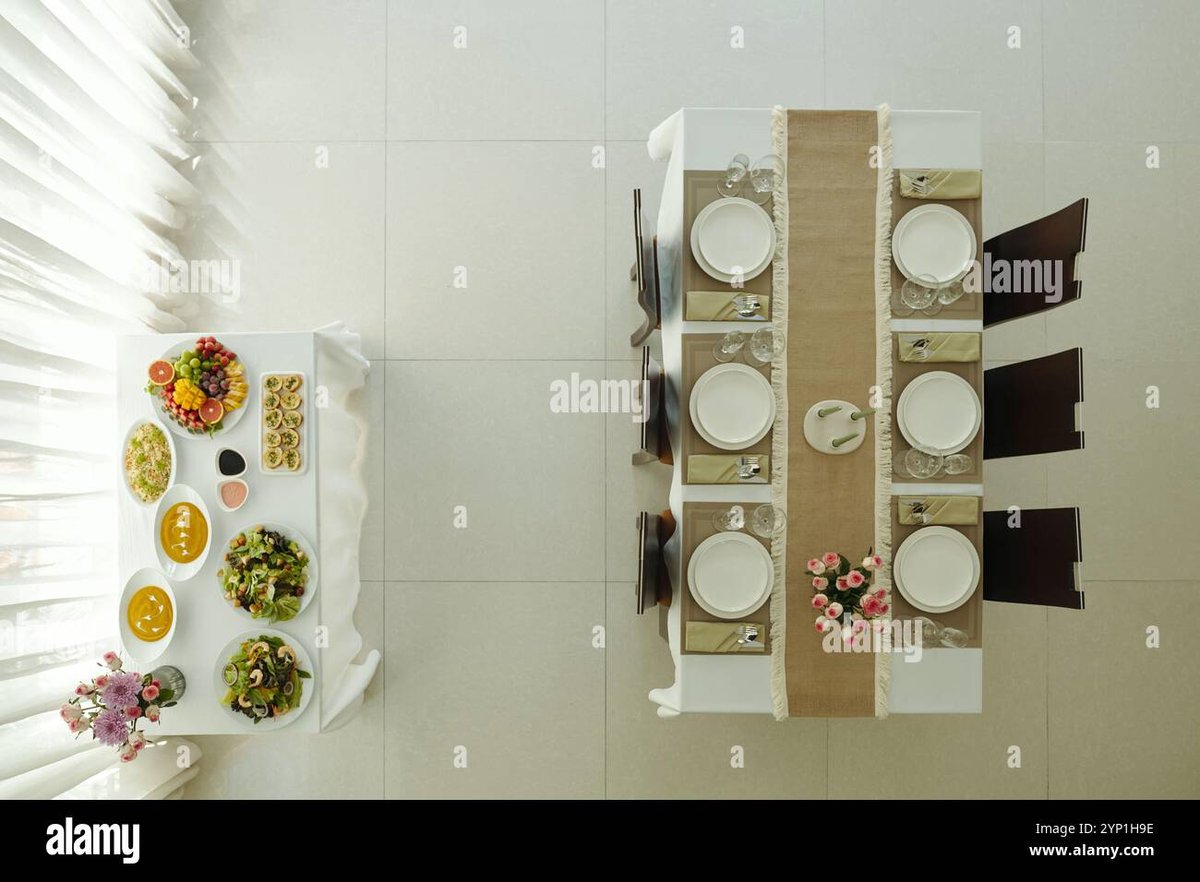
In a world brimming with choices, simply "going out to eat" has evolved. Today, dining isn't just about sustenance; it's a carefully curated experience, driven by the deeper motivations behind why we gather around a table. This is the heart of Occasion-Based Dining, a powerful trend where the specific reason for a meal—be it a celebration, a business deal, a romantic date, or even a quiet solo treat—dictates every aspect of the dining choice, from cuisine to ambiance. This intentionality, in particular, is resonating profoundly with younger generations, fueling new growth and reshaping the restaurant landscape.
They're not just looking for good food; they're seeking the right food, in the right setting, for the right moment. Understanding this shift isn't just good business for restaurateurs and food service providers; it's essential for anyone looking to make their dining experiences truly memorable and perfectly aligned with their desired outcome.
At a Glance: Key Takeaways on Occasion-Based Dining
- It's More Than a Meal: Dining choices are increasingly driven by the reason for the gathering, not just hunger.
- Younger Generations Lead the Way: Millennials and Gen Z are particularly keen on experiences tailored to specific occasions.
- Social vs. Alone Matters: While social dining still dominates (54% of occasions), solo dining is growing, each with unique needs.
- The "Who, What, When, Where, Why" Framework: Successfully choosing or marketing to occasion-based diners means understanding these five core elements.
- Opportunity for Growth: For consumers, it means better, more targeted experiences; for businesses, it offers a pathway to deeper customer engagement and innovation.
- Beyond Food: Ambiance, service, and atmosphere are critical components in fulfilling an occasion's specific demands.
The Modern Table: Why Occasion-Based Dining Is the New Standard
Gone are the days when a restaurant's appeal rested solely on its menu. While delicious food remains non-negotiable, today's diners, especially younger ones, are increasingly driven by the context surrounding their meal. They're seeking experiences that align perfectly with their intentions—whether it's an intimate birthday dinner, a lively brunch with friends, or a quick, healthy lunch to power through the workday.
This isn't just anecdotal. Research underscores the strategic importance of occasion-based insights. The Hartman Group's "Eating & Drinking Occasions Landscape" highlights that while social occasions still hold the majority at 54% of total dining events, alone eating and drinking occasions are on the rise, now comprising just under half of all experiences. Each of these categories, and the myriad sub-occasions within them, represents a distinct opportunity for consumers to find exactly what they're looking for, and for businesses to tailor their offerings with precision.
For you, the diner, this means a more intentional approach to choosing where and how you eat. For businesses, it means moving beyond broad categories and diving deep into the psychology of dining.
Decoding the Occasion: The Five Pillars of Purposeful Dining
To truly master occasion-based dining, whether you're planning a night out or designing a menu, you need to dissect the experience into its fundamental components: the who, what, when, where, and why. These pillars, championed in market research for their ability to unlock consumer behavior, offer a powerful lens for understanding every dining decision.
The "Who": Companionship Shapes the Experience
Who you're dining with profoundly impacts the choice of venue and menu. A solo meal has entirely different requirements than a large family gathering or a first date.
- Alone: When dining solo, convenience, speed, comfort, and perhaps an opportunity for quiet reflection often take precedence. You might opt for a cozy cafe, a quick-service restaurant, or even a well-prepared meal at home. The Hartman Group notes that alone occasions tend to occur more frequently at home, emphasizing comfort and ease.
- Social: This vast category encompasses everything from casual catch-ups to milestone celebrations. The dynamic shifts with the group.
- Intimate (1-2 people): Think romantic dinners, close friend heart-to-hearts, or serious business discussions. Ambiance, quietude, and attentive service become paramount.
- Small Groups (3-6 people): Often friends or family. Flexibility in seating, a varied menu, and a lively (but not overwhelming) atmosphere are key. If you're planning a significant get-together, finding Greenville family celebration restaurants that cater to varied tastes and group sizes can make all the difference.
- Large Groups/Celebrations: Here, the focus is on communal experience, ease of service for many, and often a festive atmosphere. Private dining rooms or spaces that can accommodate bigger parties are essential.
The "What": Food and Formality
This pillar moves beyond just "what cuisine" to "what kind of food experience."
- Cuisine Type: Italian, Mexican, Asian, American, etc. This is often a starting point, but not the only factor.
- Formality Level: Are you seeking a Michelin-starred tasting menu, a casual burger joint, a family-style Italian feast, or a trendy tapas bar? The occasion will dictate the desired level of sophistication and service.
- Dietary Needs/Preferences: Accommodating allergies, vegan/vegetarian preferences, or health-conscious choices is increasingly important, especially for group dining.
- Dish Type: Appetizers for sharing, individual entrees, dessert focus, or perhaps a dedicated brunch menu. When it comes to starting the day right, you might be seeking out Greenville's best brunch spots with specific offerings like bottomless mimosas or creative pancake stacks.
The "When": Timing Is Everything
The time of day, day of the week, and even the season can drastically alter dining expectations.
- Time of Day: Breakfast, brunch, lunch, happy hour, dinner, late-night. Each has its own rhythm and menu requirements.
- Day of Week: A Tuesday lunch differs from a Saturday night dinner. Weekends often lend themselves to more leisurely, celebratory meals, while weekdays might be about efficiency.
- Special Dates: Holidays, anniversaries, birthdays, graduations. These occasions often demand reservations, special menus, and a heightened sense of occasion.
- Spontaneity vs. Planning: Is this a spur-of-the-moment decision or a meticulously planned event?
The "Where": Location and Locale
Where you dine isn't just about the physical address; it's about the environment and accessibility.
- Restaurant Type: Fine dining, casual, quick-service, themed, cafe, pub.
- Ambiance: Lively, quiet, romantic, family-friendly, sophisticated, rustic.
- Location: Proximity to home, work, or an event. Ease of parking or public transport.
- Private vs. Public Space: For certain occasions, like an important business meeting or a significant family celebration, the privacy and dedicated service of a separate space are invaluable. Many people specifically look for Greenville SC Private Dining Rooms to ensure their event remains intimate and focused.
- At Home: Don't forget the significant role of dining at home. For many, a special occasion might involve catering, a home chef, or a meticulously prepared meal, especially for alone occasions, as identified by Hartman Group.
The "Why": The Driving Force (Need States & Emotions)
This is perhaps the most crucial pillar, delving into the underlying motivations and emotional states that inform a dining choice. The Hartman Group's research points to "need states" and "emotions" as key data points for understanding occasion characteristics.
- Celebration: Birthdays, anniversaries, promotions, graduations. Driven by joy, recognition, desire for indulgence.
- Romance: Dates, proposals, rekindling. Driven by intimacy, connection, desire for a special atmosphere.
- Business/Networking: Client meetings, team dinners, interviews. Driven by professionalism, relationship-building, efficiency, impression management.
- Comfort/Nostalgia: Seeking familiar foods, a cozy atmosphere, a sense of belonging.
- Convenience/Efficiency: Quick lunch, pre-event meal, grab-and-go. Driven by time constraints, practicality.
- Indulgence/Treat: A reward, an escape, a desire for something decadent.
- Exploration/Novelty: Trying new cuisines, trending restaurants, unique dining experiences.
- Connection/Socializing: Catching up with friends, family gatherings. Driven by community, shared experience.
- Stress Relief/Escape: A quiet meal after a long day, a distraction.
Understanding the "why" unlocks the true potential of occasion-based dining, allowing both consumers to find their perfect match and businesses to craft compelling, targeted offerings.
Crafting Your Perfect Occasion-Based Dining Experience
Navigating the dining landscape can feel overwhelming with endless options. By adopting an occasion-based mindset, you can cut through the noise and consistently choose experiences that deliver exactly what you're looking for.
Step 1: Define the Occasion — What's the "Why"?
Before you even think about food, clarify the purpose of your meal. Be specific.
- Instead of: "Dinner out."
- Think: "An intimate birthday dinner for my partner," or "A casual dinner with old friends to catch up," or "A celebratory meal after a big work win with the team."
This clarity is your North Star. It helps you narrow down options immediately. Is the "why" about impressing a client, unwinding after a stressful week, or making a lasting memory?
Step 2: Consider Your Company — Who Are You With?
The number and nature of your companions dramatically shift your needs.
- Solo: You have ultimate freedom. Perhaps a quiet spot with good Wi-Fi, a vibrant counter for people-watching, or a place where you can truly savor a meal without distraction.
- A Duo: Is it a romantic rendezvous demanding low lighting and privacy, or a lively brunch with a best friend? Your dynamic will guide the atmosphere.
- Family with Kids: You'll likely prioritize kid-friendly menus, high chairs, perhaps outdoor space, and a generally tolerant (and maybe a bit noisy) environment. For those looking to gather multiple generations, Greenville family celebration restaurants often provide larger tables or even dedicated family-style options to ensure everyone feels welcome and comfortable.
- Friends: This can range from a boisterous group needing a large table and shareable plates to a quieter coffee-and-dessert gathering.
- Business Associates: Professionalism, quiet for conversation, and often a more formal or upscale setting are key.
Step 3: Match Vibe & Menu — What Kind of Experience Do You Want?
With your "why" and "who" established, you can now consider the "what" and "where."
- Vibe Check: Do you want energetic and trendy, calm and elegant, cozy and rustic, or vibrant and bustling? Look at photos of the interior, read reviews that mention atmosphere, and check for dress codes.
- Menu Alignment: Does the menu offer dishes that fit the mood and dietary needs? For example, if you're celebrating a special occasion, a fixed-price tasting menu might be perfect. If it's a casual brunch, you'll be eyeing those Greenville's best brunch spots for their diverse egg dishes and signature cocktails.
- Price Point: Be realistic about your budget. A celebratory dinner will likely warrant a higher spend than a casual weekday lunch.
Step 4: Logistics & Reservations — Plan for Seamlessness
Once you have a few options in mind, it's time to iron out the practical details.
- Reservations: Essential for popular spots, special occasions, or larger groups. Don't leave it to chance. Many online platforms make booking easy.
- Special Requests: Do you need a quiet table, a high chair, accessible seating, or a specific dietary accommodation? Call ahead to ensure the restaurant can meet your needs. For events demanding discretion or a unique setting, specifically seeking out Greenville SC Private Dining Rooms allows for a tailored and intimate experience, often with dedicated service staff.
- Parking/Transit: Factor in how you'll get there and park, especially if it's a busy area or a tight schedule.
- Timing: Book your reservation with enough buffer time before or after any other activities.
Step 5: The "Extras" That Elevate — Beyond Food and Space
True occasion-based dining often involves those thoughtful touches that transform a meal into a memory.
- Service: Attentive, knowledgeable, and friendly service can make or break an occasion. Look for reviews that highlight exceptional staff.
- Ambiance Details: Is there live music? Are the table settings elegant? Is the lighting just right? These subtle cues contribute immensely to the overall feeling.
- Personalization: Some restaurants offer personalized menus, a small dessert with a candle for birthdays, or a complimentary glass of champagne for anniversaries. These small gestures resonate deeply.
- The "Story": Does the restaurant have a unique story, a chef's vision, or a commitment to local ingredients that adds another layer of meaning to your occasion?
By following these steps, you move beyond mere selection to active creation, ensuring your dining choice perfectly complements and enhances the occasion at hand.
Common Occasions and How Restaurants Master Them
Different occasions naturally gravitate towards different types of dining experiences. Here’s a look at some common scenarios and how restaurants effectively cater to them.
1. Celebrations (Birthdays, Anniversaries, Graduations)
- Diner's Need: A memorable, often indulgent experience. Festive atmosphere, excellent service, opportunities for toasts and special touches.
- Restaurant Response: Upscale dining, private rooms for larger groups, special occasion menus (pre-fixe options), complimentary desserts, personalized notes, sommelier service. Focus on creating an "event" rather than just a meal.
- Example: A high-end steakhouse offering a complimentary dessert with a candle for a birthday, or a tasting menu with wine pairings for an anniversary.
2. Business Meetings/Client Dinners
- Diner's Need: Professional environment, quiet for conversation, efficient service, impressive but not ostentatious food, discretion.
- Restaurant Response: Fine dining, upscale casual with good acoustics, private dining rooms. Professional, unobtrusive service. Menus with accessible options, good wine list. Avoiding overly loud music or overly casual staff.
- Example: A well-regarded hotel restaurant with booths for privacy and a sophisticated, reliable menu perfect for sealing a deal.
3. Romantic Dates
- Diner's Need: Intimate atmosphere, soft lighting, excellent food and drink, attentive yet discreet service, a sense of specialness.
- Restaurant Response: Cozy bistros, restaurants with mood lighting, booths or tables spaced for privacy, curated wine and cocktail lists, dessert menus designed for sharing.
- Example: A dimly lit Italian restaurant with classic dishes and a lengthy wine list, or a chic rooftop bar with small plates and city views.
4. Family Gatherings (Sunday Dinner, Holiday Meals)
- Diner's Need: Comfortable, family-friendly environment, varied menu to please all ages, accommodating group sizes, often a lively atmosphere.
- Restaurant Response: Casual dining, family-style restaurants, places with dedicated kids' menus, large tables or communal seating, flexible reservation policies.
- Example: An Italian-American restaurant known for its large portions and welcoming atmosphere, or a casual eatery with a diverse menu from burgers to salads. For larger family events, finding Greenville family celebration restaurants that specialize in accommodating groups, perhaps with semi-private sections, can simplify planning.
5. Casual Catch-Ups/Friends' Night Out
- Diner's Need: Relaxed atmosphere, good value, often shareable plates, lively but not overwhelming background noise, good drink options.
- Restaurant Response: Gastropubs, tapas bars, trendy cafes, lively breweries, restaurants with outdoor patios. Menus with small plates, craft beers, and creative cocktails.
- Example: A local brewery with gourmet burgers and a selection of board games, or a tapas bar encouraging communal eating and conversation.
6. Solo Indulgence/Quick Bite
- Diner's Need: Comfort, efficiency, no judgment, good food, sometimes a chance to work or read.
- Restaurant Response: Cafes, diners, sushi bars with counter seating, gourmet food trucks, sometimes fine dining restaurants with a great bar area. Places where a solo diner feels welcome and not rushed.
- Example: A ramen shop with counter seating perfect for a quick, delicious meal, or a cozy cafe offering excellent coffee and pastries where you can linger with a book.
7. Pre/Post-Event Dining (Concert, Theater, Game)
- Diner's Need: Proximity to the venue, quick service, clear communication about timing, often a more casual vibe.
- Restaurant Response: Restaurants with pre-theater menus, efficient service, located near entertainment districts, clearly stating expected dining times.
- Example: A bistro a block from the theater offering a fixed-price menu designed to get diners out in time for the show.
Each of these scenarios presents a unique challenge and opportunity. By truly understanding the "why" behind the meal, restaurants can build strong connections with their guests and provide experiences that keep them coming back.
The Restaurant's Playbook: Tapping into Occasion-Based Growth
For restaurants and foodservice providers, understanding occasion-based dining isn't just about marketing; it's about fundamentally shaping your product, service, and brand identity.
1. Identify Your Core Occasions (and Niche Ones)
Don't try to be everything to everyone. What occasions do you best serve?
- Are you the go-to for Greenville's best brunch spots every Sunday?
- Do you excel at intimate private dining rooms for business functions?
- Are you a staple among Greenville family celebration restaurants?
Analyze your current customer base, popular menu items, and peak times. Leverage data from POS systems and online reservation platforms to identify patterns. For example, if you see a surge in larger parties booking on Friday evenings, you might lean into the "friends' night out" or "start of the weekend celebration" occasion.
2. Design Your Menu with Occasions in Mind
Your menu isn't just a list of dishes; it's a tool for occasion fulfillment.
- Offer Flexibility: Consider small plates for casual meetups, larger entrees for celebratory meals, and family-style options for groups.
- Special Menus: Create "Pre-Theater" menus, "Date Night" specials, or "Brunch Feasts."
- Catering to Needs: Clearly mark dietary restrictions, offer kid-friendly options, or vegetarian/vegan choices to widen your appeal for diverse groups.
3. Craft Ambiance and Service for Specific Occasions
The physical space and staff interaction are as crucial as the food.
- Ambiance: Lighting, music, decor, and table arrangements should align with your target occasions. Soft lighting and quiet music for romance, brighter lighting and energetic music for a lively social gathering.
- Service Model: Are your staff trained for efficient, unobtrusive service for business meetings, or warm, engaging interactions for family celebrations?
- Dedicated Spaces: If your restaurant targets larger gatherings or corporate events, having private dining rooms is a non-negotiable asset. This shows you understand the need for privacy and dedicated service for certain occasions.
4. Tailor Your Marketing Messaging
Speak directly to the occasion, not just the food.
- Highlight the "Why": Instead of "Try our new pasta," try "Celebrate your anniversary with our new romantic pasta special."
- Visuals: Use imagery that evokes the feeling of the occasion – joyous families, intimate couples, bustling friends.
- Keywords: Use occasion-specific keywords in your online presence and social media (e.g., "Best Birthday Restaurant," "Corporate Dinner Venue," "Family Brunch").
- Promotions: Create packages like "Date Night Deals," "Family Feast Fridays," or "Happy Hour for Coworkers."
- Showcase Versatility: If you can cater to multiple occasions, show that. For instance, you could be known as one of Greenville's best brunch spots by day and transform into an intimate dinner destination by night.
5. Leverage Technology for Seamless Occasion Planning
Digital tools can enhance the occasion-based experience.
- Online Reservations: Allow guests to specify occasion types (birthday, anniversary, business) when booking.
- Personalized Follow-ups: Use reservation notes to offer a celebratory drink or acknowledge a special event upon arrival.
- Social Media Engagement: Encourage guests to share their occasion-based experiences at your venue, using relevant hashtags.
Pitfalls to Avoid in Occasion-Based Dining
While powerful, the occasion-based approach isn't without its challenges. Avoid these common missteps:
- One-Size-Fits-All Mentality: Believing your restaurant can perfectly serve all occasions. This leads to diluted branding and confused customers. Focus your efforts.
- Ignoring the "Why": Forgetting that the emotional and practical needs of the diner are paramount. A great dish in the wrong setting still fails the occasion.
- Poor Execution: Having a "date night" menu but loud music and rushed service. The experience must match the promise.
- Lack of Flexibility: Being unable to slightly adapt your offerings or service for a specific guest's occasion within reason.
- Underestimating Solo Diners: As the Hartman Group highlighted, solo occasions are significant. Don't make solo guests feel awkward or rushed; ensure they have comfortable seating and good service.
- Overlooking Feedback: Not listening to what guests say about their experiences, especially regarding how well the occasion was met.
Beyond the Meal: The Future of Occasion-Based Dining
The trend towards occasion-based dining is only set to deepen. As consumers, particularly younger ones, prioritize experiences and authenticity, restaurants will continue to evolve their offerings.
- Hyper-Personalization: Expect more restaurants to use data and AI to anticipate guest needs based on past occasions and preferences.
- Experiential Dining: The line between a meal and an event will blur further. Think themed dinners, interactive cooking experiences, or dining concepts integrated with art or performance.
- Sustainability and Ethics: For many, an occasion might also demand alignment with personal values, leading to a rise in demand for ethically sourced, sustainable, or plant-based options for all dining occasions.
- Blurring of Boundaries: With the rise of high-quality meal kits and sophisticated delivery, the "at-home occasion" will continue to challenge traditional restaurant models, pushing restaurants to offer even more compelling "away-from-home" experiences.
Making Every Meal Matter
Whether you're planning your next night out or operating a restaurant, embracing occasion-based dining offers a richer, more intentional approach to food. For consumers, it means choosing wisely, creating more fulfilling memories, and ensuring every meal resonates with its true purpose. For businesses, it's a strategic imperative – a path to deeper understanding, innovative offerings, and sustained growth in a competitive, experience-driven market. By focusing on the "why," we can truly make every dining experience matter.