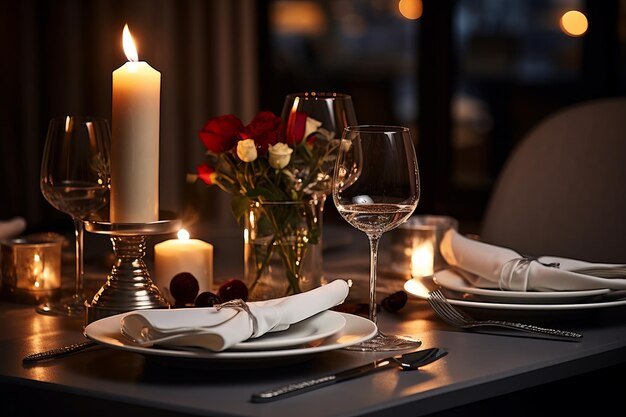
Food is fuel, yes, but for many, it’s also art, communion, and pure escapism. When you sit down for a meal, do you simply consume, or do you embark on a journey? The truth is, the plate itself is only part of the story. The full narrative unfolds through the intricate dance of Dining Experience & Ambiance, transforming mere sustenance into an unforgettable memory. It's the silent language spoken by lighting, music, textures, and the very air you breathe, all carefully orchestrated to elevate your senses far beyond taste.
At a Glance: Crafting Unforgettable Dining
- Ambiance is Everything: Lighting, music, decor, and layout set the mood, influencing enjoyment and even spending.
- Service as Connection: Attentive, personalized interactions build rapport, not just deliver food.
- Storytelling Adds Soul: Narratives about dishes, origins, and cultural roots deepen appreciation.
- Multi-Sensory Engagement: All five senses (sight, sound, touch, smell, taste) are carefully considered.
- Surprise & Delight: Unexpected, thoughtful gestures create lasting positive impressions.
- Context Matters: Location and timing can dramatically enhance the overall experience.
- Shareable Moments: Design for memorable, photo-worthy experiences, but always keep it authentic.
The Invisible Ingredients: What Truly Defines a Memorable Meal?
Think back to the most remarkable meal you've ever had. Was it solely about the food's flavor? Chances are, you remember the gentle hum of conversation, the warmth of the lighting, the soft linens, or the way the server anticipated your needs. These elements—often subtle, sometimes grand—are the unsung heroes of dining. They're the invisible ingredients that mix with the tangible ones to create a truly holistic and satisfying experience.
Restaurant innovators understand this deeply. They know that in today’s competitive landscape, simply serving good food isn't enough. Diners crave immersion, thoughtful details, and multi-sensory stimulation that transcends the ordinary. It’s about creating a world within those four walls, a temporary escape where every detail contributes to a cohesive, delightful impression.
Decoding Ambiance: The Silent Architect of Your Dining Mood
Ambiance isn't just background noise; it's the very stage upon which your meal unfolds. It's the feeling you get the moment you step inside, the unspoken promise of what's to come. This curated environment profoundly influences everything from your perceived enjoyment of the food to your willingness to linger and spend. In fact, research shows that a significant 60% of diners consider ambiance a key factor in both their choices and overall satisfaction.
So, what are the levers of this powerful architectural force?
The Subtle Glow of Lighting
Lighting is perhaps the most potent mood-setter. Dim, warm lighting, for instance, immediately signals intimacy and relaxation, often enhancing perceived flavor and encouraging longer stays and increased spending. Think of finding that perfect romantic spot—the first thing you notice is likely the soft, inviting glow. Conversely, bright, energetic lighting might be perfect for a bustling breakfast spot, encouraging faster dining and quicker table turnover. The strategic use of shadows, uplighting, and candlelit tables can transform a room from functional to magical.
The Soundtrack of Your Meal: Music & Acoustics
Ever notice how a restaurant's playlist subtly guides your dining pace? Upbeat music can increase dining speed, ideal for high-volume establishments, while softer, slower tunes invite you to linger over conversation. Beyond the playlist itself, acoustics are critical. Poor acoustics that lead to excessive noise levels can significantly detract from enjoyment, potentially causing a 20% decrease in customer spending. A well-designed space considers sound absorption to ensure conversations flow easily without feeling overwhelmed by ambient clamor.
Decor & Design: Telling a Story Without Words
Every piece of furniture, every artwork, every fabric choice, and the overall thematic coherence contributes to the narrative of a space. Decor should reflect the restaurant's identity, whether it’s a rustic farmhouse, a sleek minimalist bistro, or a vibrant cultural eatery.
- Color Psychology: Warm colors like red and orange are known to stimulate appetite and energy, making them popular in lively dining spaces. Cool colors such as blue and green, however, promote calmness and sophistication, often found in more serene or fine dining settings.
- Furniture & Texture: Comfortable seating encourages guests to relax. The feel of a polished wooden table, the softness of a linen napkin, or the weight of good cutlery—these tactile elements add layers of quality and comfort. Modern decor might convey sophistication, while vintage pieces suggest charm and history.
The Art of Flow: Layout & Privacy
A well-thought-out layout ensures comfort, ease of movement, and appropriate levels of privacy. Diners want to feel comfortable without being cramped, and they appreciate personal space. Thoughtful table spacing, banquettes, or even semi-private nooks allow for intimate conversations while still being part of the larger dining atmosphere. A logical flow for staff and guests minimizes disruptions, enhancing the sense of effortless service.
The Subtlety of Scent
While often overlooked, scent plays a powerful role in stimulating appetite and setting the mood. The aroma of freshly baked bread, subtle spices wafting from the kitchen, or even the clean, inviting smell of the space itself contributes to the overall sensory experience. Restaurants carefully manage their ventilation to ensure pleasant smells are present and unpleasant ones are quickly whisked away.
Beyond the Plate: Key Elements Elevating Every Dining Journey
While ambiance sets the overarching mood, several other crucial elements weave together to complete the tapestry of an unforgettable dining experience. These are the threads that create connection, meaning, and delight.
Service That Connects, Not Just Delivers
Exceptional service transcends mere efficiency; it's about creating a genuine connection. This begins with a warm welcome, extends through attentive pacing of the meal (never rushed, never forgotten), and culminates in personalized recommendations that show a true understanding of the diner's preferences. The best servers, often seen in establishments reviewed for reviewing a fine dining establishment, are intuitive, adapting to a diner's mood and cues, making them feel seen and valued. This human touch is powerful: a striking 70% of respondents cite staff friendliness as a key factor in their meal enjoyment.
The Power of Storytelling & Ritual
A meal gains meaning when it tells a story. Imagine a chef narrating the origins of a particular ingredient, explaining the cultural roots of a dish, or guiding you through a specific sequence of flavors. These moments of storytelling transform food into narrative, deepening appreciation and understanding. Signature farewell rituals, like a parting gift or a personalized note, also leave a lasting, positive impression, making the experience feel uniquely tailored.
Multi-Sensory Choreography: Engaging All Five Senses
Truly immersive dining engages every one of your senses, not just taste.
- Sight: Beyond the overall decor, consider the artistic plating of each dish. Colors, textures, and arrangements are carefully composed to be visually appealing, whetting your appetite before the first bite.
- Sound: It's more than just music; it's the gentle clinking of glassware, the murmur of happy conversation, or even the controlled rhythm of an open kitchen, adding a dynamic energy to the space.
- Touch: The quality of the linens, the weight of the cutlery, the texture of a ceramic plate, or the coolness of a well-chilled glass all contribute to the tactile pleasure of dining.
- Smell: This is taste's closest ally. The initial aroma of a dish as it arrives, the fragrant steam from a hot plate, or the subtle scent profile of curated air enhance the flavors to come.
- Taste: While central, taste is profoundly influenced and amplified by the collective engagement of the other four senses.
Surprise and Delight: The Unexpected Human Touch
These are the moments that truly stick with you. A complimentary amuse-bouche to start the meal, a small, personalized message on a dessert plate, a note from the chef, or even an unexpected kitchen tour—these gestures create a sense of being cared for and special. They transform a transactional exchange into a memorable human interaction, fostering loyalty and positive word-of-mouth.
Location & Timing: Context is Everything
The setting and moment can dramatically elevate a dining experience. A seaside lunch with ocean breezes, a rooftop dinner during the golden hour, or a flexible booking system that allows diners to catch a specific sunset view—these external factors provide an unparalleled backdrop. The environment surrounding the restaurant and the time of day chosen for the meal become integral parts of the overall narrative.
Shareable, Talk-Worthy Moments: The New Currency
In our hyper-connected world, experiences designed for content creation are invaluable. Picture-perfect desserts, dramatic tableside preparations, unique interiors, or cocktails with visual flair are not just delightful; they encourage diners to share their experiences online. This organic marketing can be incredibly powerful, but its effectiveness hinges on authenticity. The experience must genuinely deliver, or it risks feeling gimmicky.
Crafting the Vibe: Strategies for Restaurant Owners (and How Diners Benefit)
Atmosphere-driven restaurants don't just happen; they are meticulously designed. These establishments prioritize intentional design, focusing on every element—lighting, music, decor, layout, and even scent—to create specific moods or themes. Cuisines like French, Italian, and Japanese often naturally lend themselves to this emphasis on refined atmosphere, where cultural context shapes the design and significantly boosts customer satisfaction.
Thoughtful Design Elements
- Lighting with Purpose: Use warm, dim lighting for creating intimacy and comfort, especially crucial for evening dining. For more vibrant, high-energy settings, brighter but still carefully curated lighting can invigorate the space.
- Music to Match: Select curated playlists that align perfectly with the restaurant's theme and desired dining pace. Adjust the volume to ensure it enhances, rather than detracts from, conversation.
- Cohesive Decor: Ensure all decor, from furniture to artwork, tells a consistent story and reinforces the brand's identity. This might mean modern decor for a sophisticated vibe or rustic elements for a cozy, casual feel.
- Color and Texture: Leverage color psychology – warm hues for inviting energy, cool tones for calm elegance. Incorporate varied textures through fabrics, wood, metal, and ceramics to add depth and tactile interest.
Empowering Staff Interaction
Your team is the face of your ambiance. Positive, attentive, and knowledgeable staff are crucial for fostering a welcoming and engaging environment. Training them to anticipate needs, offer genuine recommendations, and engage with diners on a personal level elevates the entire experience. Their demeanor can transform a good meal into a great one.
Ongoing Adjustments and Evolution
Ambiance isn't a static concept. Regular updates to lighting schemes, seasonal changes in decor, and refreshed music selections keep the environment dynamic and fresh for repeat visitors. A restaurant should evolve subtly, always staying relevant and appealing.
Listening to Your Guests: The Power of Feedback
Systematically collecting and analyzing customer opinions on ambiance elements is invaluable. Whether through comment cards, online reviews, or direct conversations, feedback helps identify areas for improvement. Are the acoustics too loud? Is the lighting too harsh? Listening and responding to these insights ensures the ambiance continues to resonate with your target audience.
Ambiance Landmines: Pitfalls That Spoil the Experience
Even with the best intentions, it's easy to stumble when crafting a dining atmosphere. Avoiding these common pitfalls is as crucial as implementing the right strategies. Even even the best casual dining spots can fall victim to these missteps.
Neglecting Your Target Audience
One of the biggest mistakes is creating an atmosphere that doesn't resonate with who you want to attract. A trendy, minimalist design won't appeal to families seeking a cozy, kid-friendly environment, just as overly rustic decor might deter diners looking for a chic night out. Know your audience and design for them.
Overlooking Sensory Elements (The Bad Kind)
An uninviting environment often results from neglecting or mishandling sensory details:
- Overly Bright Lighting: Harsh, fluorescent lights can be jarring and unappetizing, making a space feel cold and unwelcoming.
- Unpleasant Odors: Lingering cooking smells, cleaning product fumes, or stale air immediately create a negative impression.
- Excessive Noise: As mentioned, poor acoustics leading to a deafening dining room is a major deterrent. Diners leave feeling exhausted, not refreshed.
Inconsistency: A Confusing Brand Message
A lack of coherence in design and theme confuses customers and dilutes brand identity. If your decor is traditional Italian but your music is heavy metal, and your menu is fusion, the message gets muddled. Consistency creates a strong, recognizable identity that builds trust and expectation.
Poor Acoustics: The Echo Chamber Effect
This warrants a reiteration because of its profound impact. A noisy restaurant where conversation is a struggle is a major turn-off. It can lead to customer dissatisfaction and, significantly, a 20% decrease in spending as diners rush to leave rather than linger over dessert or another drink. Investing in sound-dampening materials and smart layout is paramount.
Negative Ambiance: The Cumulative Effect
When multiple elements combine to create a generally "negative ambiance"—think uncomfortable seating, poor lighting, loud noise, and indifferent service—it inevitably leads to customer dissatisfaction, diminished enjoyment, and a substantial reduction in average spending. The sum of these parts often feels worse than individual issues.
Common Questions About Dining Ambiance
How much does ambiance really matter compared to food?
While food is undeniably central, ambiance is incredibly influential. Statistics show that 60% of diners consider ambiance a key factor in their choices and satisfaction. A truly outstanding meal combines excellent food with a compelling atmosphere. Without good ambiance, even great food can fall flat, failing to create a memorable experience.
Can a restaurant's ambiance be easily changed?
Some elements, like lighting levels, music, and seasonal decor, can be adjusted relatively easily and regularly. More structural elements, like layout, acoustics, and major decor themes, require more significant investment and planning. However, even small, thoughtful changes can have a big impact on the overall feel of a space.
What's the difference between "atmosphere" and "ambiance"?
Often used interchangeably, "ambiance" generally refers to the specific physical characteristics and sensory qualities of a space (e.g., dim lighting, soft music, rustic decor). "Atmosphere," on the other hand, is a broader term encompassing the general mood or feeling of a place, often including the social and emotional elements like the energy of the crowd, the friendliness of the staff, and the overall buzz. Ambiance contributes significantly to the overall atmosphere.
Your Role as a Diner: Appreciating the Art of Experience
As a diner, you’re not just a consumer; you’re an active participant in the dining experience. By understanding the elements that contribute to exceptional Dining Experience & Ambiance, you can make more informed choices about where to spend your time and money.
When choosing a restaurant, consider not just the menu but also the desired mood. Are you seeking an intimate, quiet evening, or a lively, bustling gathering? Pay attention to the subtle cues: the warmth of the welcome, the curated playlist, the comfort of the chairs, the sparkle of the glassware. Appreciating these details enriches your meal, turning it into a richer, more profound interaction.
And don't hesitate to provide feedback! If the music is too loud, the lighting too harsh, or the service exceptional, share your thoughts. Your input helps restaurants refine their offerings, ultimately contributing to a better dining landscape for everyone.
Beyond the Bites: Crafting Lasting Memories
Ultimately, the goal of any truly great restaurant is to craft not just meals, but lasting memories. This involves a masterful orchestration of flavors, sights, sounds, textures, and human connections. The Dining Experience & Ambiance is the silent storyteller, the subtle guide that turns a simple act of eating into a cherished event. So, the next time you dine out, take a moment to look beyond your plate. Notice the glow, hear the hum, feel the fabric, and savor the story being told around you. It's in these often-overlooked details that the true magic of dining unfolds.